
What Frieze Art Week validated for me about the power of marketing, disruption, and staying hungry
 Amanda Connon-Unda·June 21, 2026·4 min read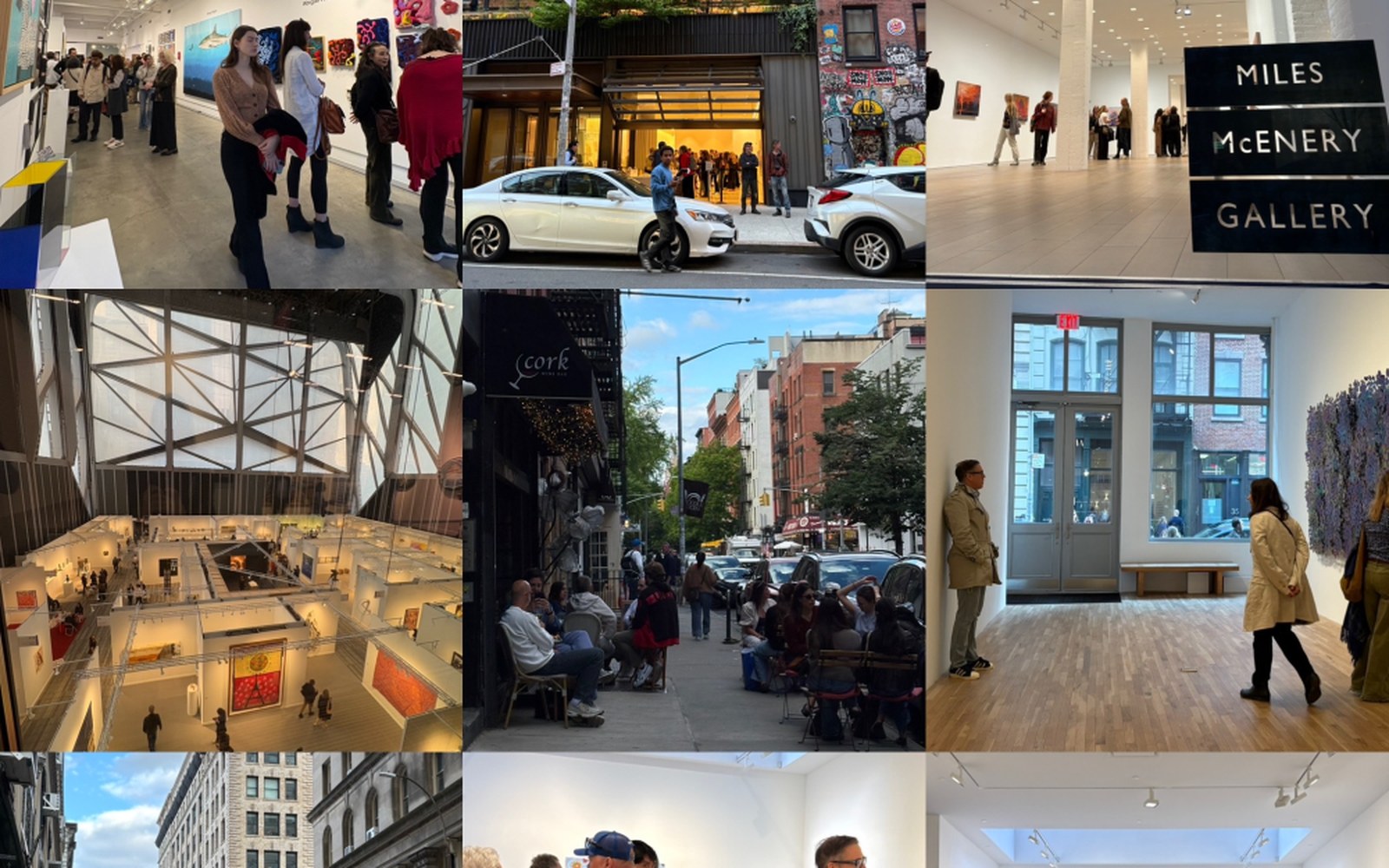
I spent part of art week in NYC at Frieze, and walked away thinking about the amazing paintings on display, but also about marketing, ecosystems, and why disruptive energy matters at every stage of an industry’s life.
Financial value is constructed, not intrinsic
The first thing that struck me: value in the art world isn’t really about the object. It’s about what you know — the artist’s story, their track record, who else is collecting their work, and what respected voices in the space are saying about them. Strip away the education and the narrative, and the same piece is just paint on canvas. Media coverage, PR, and accolades aren’t decoration here, they’re the infrastructure that makes value “stick” enough to convert into a sale.
There are key similarities in B2B marketing, albeit with different vocabulary. Buyers rarely evaluate a product in a vacuum. They’re pricing in case studies, analyst reports, who else is using the product, and what credible voices in the industry are saying. Yes — the product matters, but the narrative around it is what often wins hearts and minds, and closes the deal.
Decentralization done well
The second thing: the art world does decentralized community really well. Frieze itself has a steep ticket price that prices plenty of people out. But running in parallel across the city are dozens of small galleries hosting their own opening nights — free, open, and happening at the same time. Art students, struggling artists, art dealers, and ultra-high-net-worth buyers all circulate through the same week, just through different entry points suited to them. No single event needs to serve everyone — the ecosystem does that collectively. Tech has its version of this too: the unconference, or a flagship conference with the big price tag pulls in enterprise buyers and press, while meetups, open-source communities, hackathons, mingling bar nights, and founder dinners running alongside it are often where the real energy and talent discovery happen.
The U-Haul Gallery example: disruption as strategy
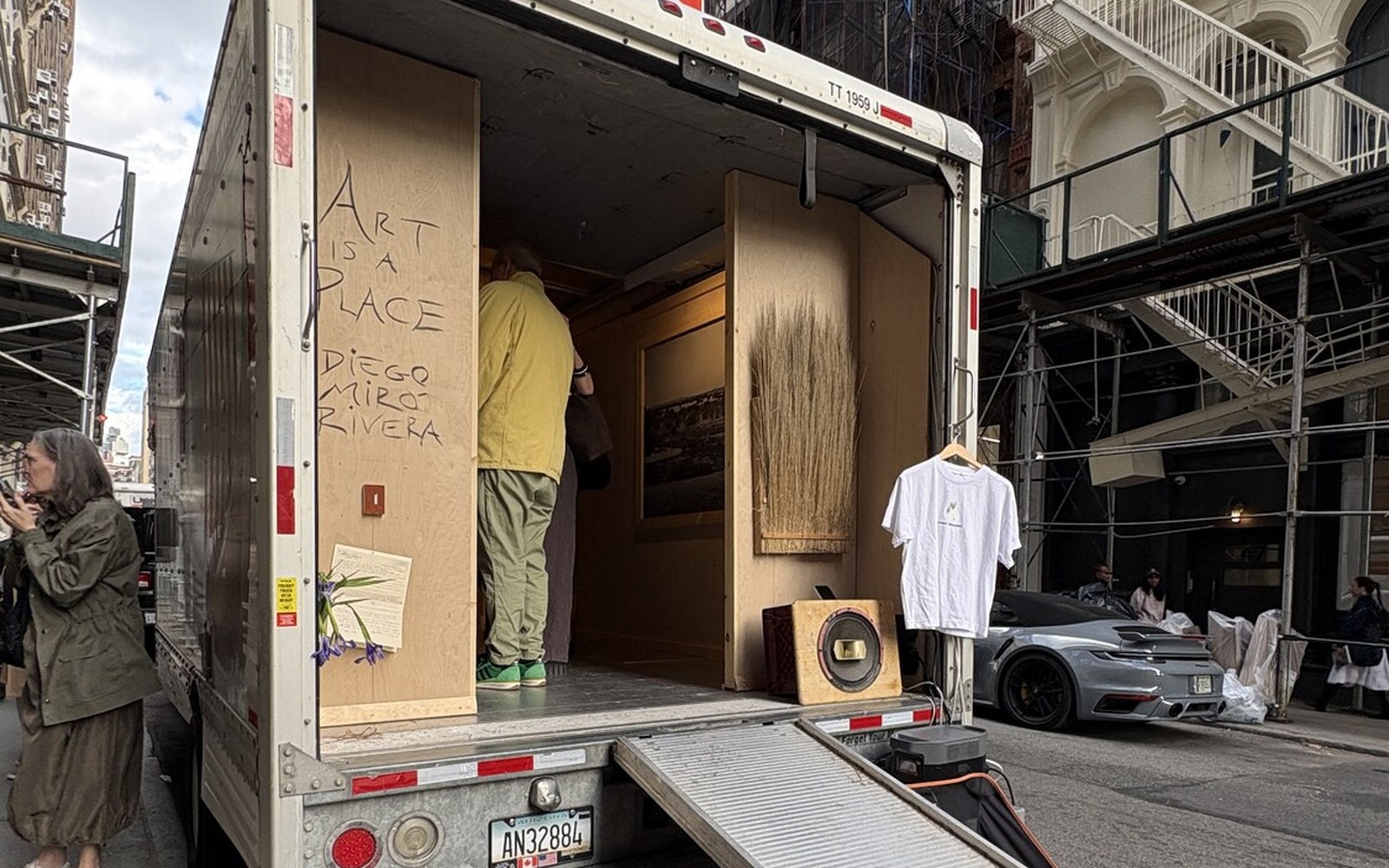
The example that stuck with me most was an installation I came across called U-Haul Gallery — and it’s a small case study in how limitations can breed real innovation.
Founded by James Sundquist and Jack Chase, U-Haul Gallery is exactly what it sounds like: a commercial art gallery operating out of a rented moving truck, right on the street.
The whole thing grew directly out of frustration with the cost of showing art work in New York. Traditional gallery space in the city runs into the thousands per month in overhead. A U-Haul truck rents for under $20 a day, plus mileage.
Inside, the gallery uses the truck’s built-in wooden railing to mount walls, and runs lighting off the dashboard’s power outlet. Outside, a hand-stenciled plywood sign spins on top, advertising the space. Because the gallery is always mobile, it never has to worry about losing its lease — it simply relocates, parking near established events to capture foot traffic, or showing up in unconventional spots like public parks.
Low overhead lets the founders take on more experimental underground art shows that wouldn’t survive in a conventional gallery’s struggling financial model.
The parallel for tech
There are similarities happening in plenty of corners of tech right now. The tech industry was born with a disruptive, somewhat utopian conviction — that anything is possible, that the rules of an entrenched industry are negotiable if you’re willing to build something differently. U-Haul Gallery is operating on exactly that conviction, applied to the art world: the white cube gallery model isn’t sacred, it’s just the model everyone defaulted to.
As tech companies grow, they naturally trend toward process, structure, and risk-aversion — and to some extent, that’s healthy. Maturity and evolution aren’t the enemy. But it’s worth deliberately protecting some of that founding energy: the sense of possibility, the willingness to question default formats, and the defiance of “that’s just how it’s done.” Sometimes constraints — no funding, no space, no playbook — is exactly what forces the more interesting answer.
While I went to New York for the art world immersion, I left thinking more broadly about go-to-market strategy, ecosystem design, and why every industry needs a few people willing to put a gallery in a truck.
#marketing #b2b #frieze #artweek #innovation #disruption #techculture
Related insights
- Marketing
What Is Founder Branding as a Service? A Practical Guide for Startup Founders
A practical guide to founder branding as a service: what it includes, why CEO reputation drives company value, when to start, and a 3-month framework for building a founder brand that compounds.
- Marketing
The Canadian Tech Startup's Guide to Business Awards: Categories, Deadlines, and How to Apply
A complete guide to the most credible startup and tech business awards in Canada — B2B SaaS, B2B services, B2C, deep tech/AI, women in tech, and age-based awards — with deadlines and official links.
- Marketing
The Nuances of Positioning for A New Tech Product (An Introduction)
Key questions to ask when identifying your niche — from TAM and scalability to talent, product roadmap, and the viability of your strategic positioning.