
Community, Fandom, and the New Economics of Film & TV
 Amanda Connon-Unda·October 9, 2026·5 min read
The more things change, the more they stay the same
The platforms for building and monetizing a film or TV fandom look nothing like they did when I started working in the entertainment industry and broadcast in 2009. However, the fundamentals haven't moved an inch.
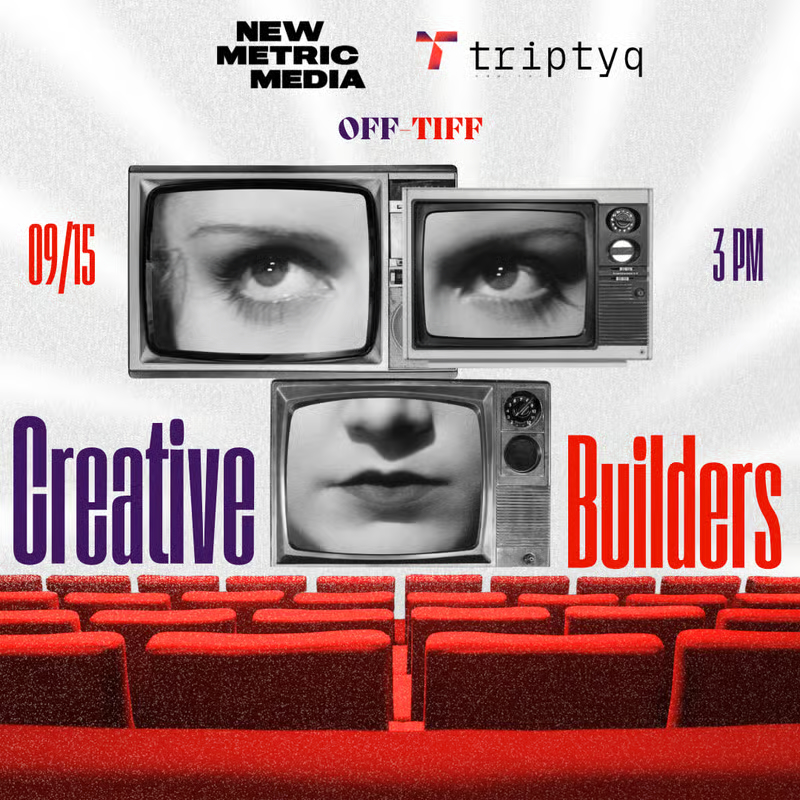
During TIFF 2026, I sat in on Creative Builders, an off-TIFF evening hosted by New Metric Media (LinkedIn) and Triptyq Capital (LinkedIn). Two panels covered entertainment and AI, and audience as the new studio. Founders talked about AI production workflows, YouTube and Gen Z fans building their own universes.
Thanks to New Metric Media and Triptyq Capital for a thought-provoking evening with panelists: Mark Montefiore of New Metric Media, Guillaume Therien of Triptyq Capital, Hang Chu of Viggle, Brit MacRae of KINO, Aron Levitz of Foolish Entertainment, Stephanie Wilson Chapin of Youtube, Kaveh Kamali of Nura Studios, and Jil Lohnes of Salt XC.
It was a sharp look at where things are going. It also took me straight back to 2009, when I was doing a lot of this before most of it had a name.
What I learned building TV series audiences in 2009
In 2009 I was working in film and TV, producing vlogs and behind-the-scenes content for Museum Secrets on History Television. I went on set and made videos that gave fans access they couldn't get anywhere else: the people, the process, the moments between takes.
Twitter was pretty new at the time, and I used it to run live social TV viewing parties while episodes aired, with AMAs and fan hashtag swarms that turned watching into a shared real-time event. I brought in influencer-fans who had their own audiences so the conversation spread beyond our channels. Then we brought them into conversation with the series creators and the parent TV networks.
What made it work was that it was real and we built the series and the fandom from zero to one. The lesson I learned then still holds: high-quality content with a human interest angle sticks. Algorithms reward authenticity as much as they reward novel, clever, well-produced content. Polish gets attention. Genuine access and connection keep it.
What's changed
The playground is bigger, and fans have far more ways to express themselves today. A few shifts stood out to me from the panels:
- YouTube is a destination, not an ad slot. Connected TV is now where much of that viewing happens.
- Fans build the world, not just watch it. Gen Z and Gen Alpha remix, theorize and extend stories across short video, Discord, Reddit and games.
- A new layer of creator tech. Startups are building the wrapper around AI models, turning raw clips into full production workflows, and giving creators storefronts, ticketing and fan data they own.
- Content is cheap, so taste is scarce. When AI can generate endless footage, the human choices about what's worth making and sharing become the real value.
In 2009, I was stitching together Twitter, YouTube and in-person events by hand. Today there are platforms built to do that and more. The tools are better. The job hasn't changed.
Where brands get fandom wrong
The most common mistake I see is businesses treating community and influencer marketing as a layer to bolt onto a traditional go-to-market stack. They run a campaign, hire a few creators, post on the usual channels, and wonder why nobody cares.
Fandoms and communities don't work like target segments. Every community has its own favourite places, its own language and its own values and rituals. If you want them to show up for you, you have to show up for them first:
- Understand your audience. Know who they are and what they already love about your story, before you plan anything.
- Go where they are. That might be a subreddit, a Discord server, a TikTok niche or a fan convention, not your brand's own channels.
- Show up authentically. Be relevant to them, in their format and their tone, and add something of value.
- Ask what your community wants. They'll notice that you asked.
- Co-create. Invite your community to build something bigger than you could on your own. That's how a brand moves from one-way campaigns into a community.
What never changes: the business behind the content
When I work with creators and entertainment teams, I ask the same questions I've asked for years:
- What is the business plan around your content?
- What is your community actually worth?
- How much revenue do they generate, and through which channels?
- Which of those channels do you own?
The revenue your community generates can be divided by the number of people actually in it, to get a new metric worth following: Average Community Member Revenue
That revenue can come from tickets, merch, memberships, crowdfunding, licensing or brand partnerships. The number forces a different conversation. It's no longer "how big is your audience?" but "how much do your people value what you make?"
Smaller and deeper beats bigger
A smaller audience that shows up, buys and brings friends is usually far more valuable than millions of passive followers.
The examples shared at the event backed this up. The panel’s and my advice: go niche. Know exactly who your work is for, and build for them. Don't try to create a community for everyone.
Let's build yours
The tools will keep changing. Next year there will be new platforms, new AI workflows and new places for fans and communities to gather. What won't change is that people want access, connection and a chance to be part of something. The brands and creators who earn that will always have an edge. With community led growth, a lot can change, and a real flywheel effect can emerge.
If you're in entertainment, film or TV and want to build a community that's worth something, I'd love to help. Reach out and let's talk.
Related insights
- Tech Ecosystem
Dispatches from CCI's Innovator Exchange: What Float and Xanadu Taught Us About Scaling in Canada
From CCI's Innovator Exchange: capital gaps, public-market readiness, and what it really takes to scale and go public from Canada — lessons from Float and Xanadu.
- Marketing
Dispatches from NRTH: Taking Physical AI to Market, What Founders Need to Know
What founders raising at seed and Series A can learn from NRTH 2026's Moonshots stage: how physical AI companies turn social good, IP, and team credibility into a fundable story — plus a playbook to build your proof.
- Tech Ecosystem
Dispatches from ALL IN: The Two Sides of AI Adoption
Day 2 at ALL IN brought two sides of AI adoption into focus: building trust at billion-user scale and preparing for agent-driven commerce.